
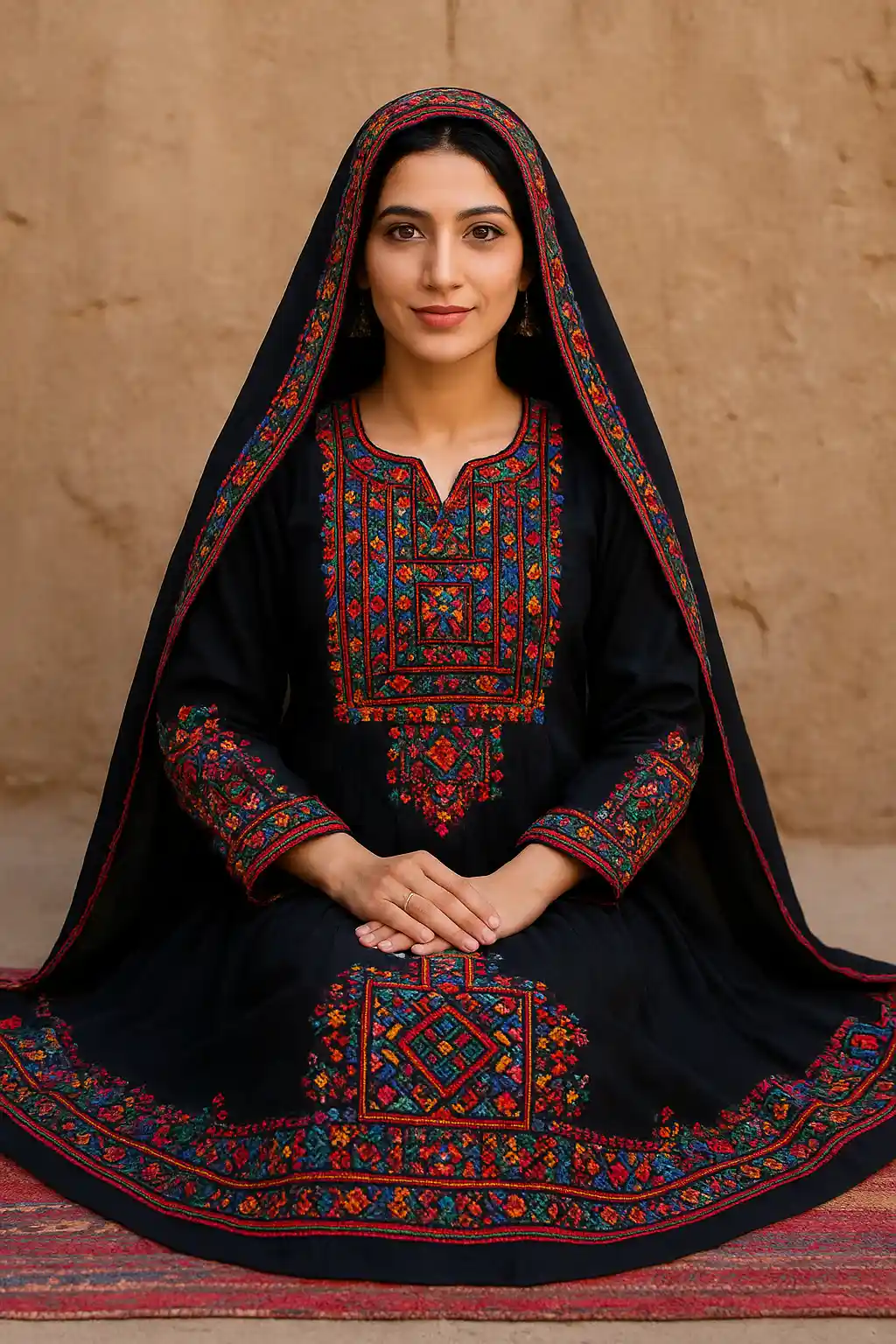
In the sun-baked landscapes of Balochistan, where the wind whispers tales of nomadic tribes and ancient caravans, the Balochi cultural dress stands as a living symbol of resilience and heritage. This traditional attire, worn by the Baloch people across Pakistan, Iran, and Afghanistan, is more than clothing—it’s a story woven with threads of history, craftsmanship, and community pride. Whether you’re drawn to the flowing elegance of a Balochi women dress or the sturdy simplicity of a Balochi dress boy, this guide explores the beauty and significance of Balochi fashion. From its roots in tribal life to modern interpretations, discover how Balochi culture dress continues to captivate with its intricate designs and timeless appeal.
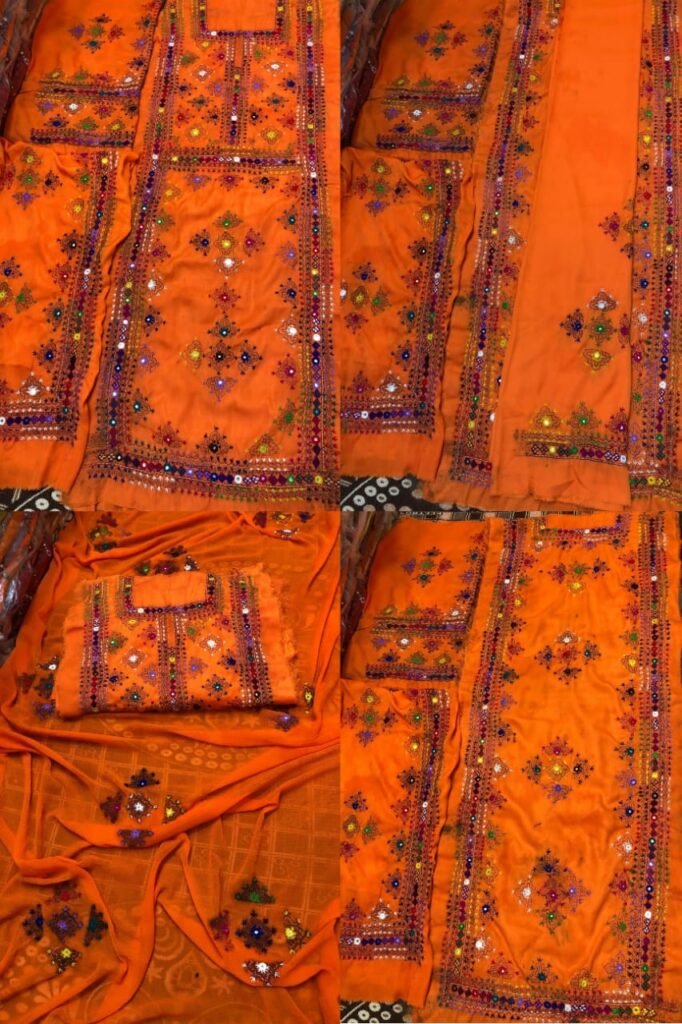
What Is Balochi Dress? A Closer Look at Traditional Attire
At its core, Balochi dress refers to the vibrant, embroidered garments that reflect the Baloch people’s nomadic roots and desert environment. For women, it’s often a long, flowing shalwar kameez paired with a dupatta, adorned with mirror work and colorful motifs. Men opt for a loose shalwar kameez or kurta, emphasizing comfort in the harsh terrain. The Balochi dress design is characterized by bold patterns inspired by nature—think geometric shapes, floral motifs, and symbolic embroidery representing protection and fertility.
For young girls, a Balochi dress girl might feature lighter fabrics and playful colors, while a Balochi dress boy prioritizes durability with earth tones. These pieces aren’t just functional; they’re a canvas for storytelling, blending practicality with artistry in every stitch.
The Rich History of Balochi Dress: From Nomads to National Treasure
The story of Balochi dress begins centuries ago with the Baloch tribes, who roamed the arid regions of Balochistan as pastoral nomads. Dating back to the 10th century, the attire evolved from practical desert wear—loose fabrics to combat heat and sandstorms—to elaborate garments symbolizing social status and tribal identity. Historical texts from the Mughal era describe Balochi women in embroidered tunics that doubled as portable art, showcasing skills passed down through generations.
During the British colonial period in the 19th century, Balochi embroidery gained recognition as a form of resistance, with intricate patterns embedding cultural symbols. Post-independence in Pakistan, the dress became a symbol of regional pride, influencing national fashion. Today, hand embroidery Balochi dress techniques, using threads of silk and wool, preserve this legacy, blending ancient motifs with contemporary flair.
Exploring Balochi Dress Designs: Traditional and Timeless
Balochi dress is as diverse as the Baloch people themselves, with designs varying by region and occasion. At its heart is the shalwar kameez, a tunic and pants ensemble that’s both comfortable and elegant.
- For Women: The Balochi women dress features a knee-length kameez with wide shalwar, often in deep reds, blues, or greens. Hand embroidery Balochi dress adds shine with mirror work (shisha) and floral patterns, symbolizing joy and prosperity. A simple Balochi dress might use cotton for everyday wear, while a Balochi bridal dress dazzles with silver threads and heavy beading for weddings.
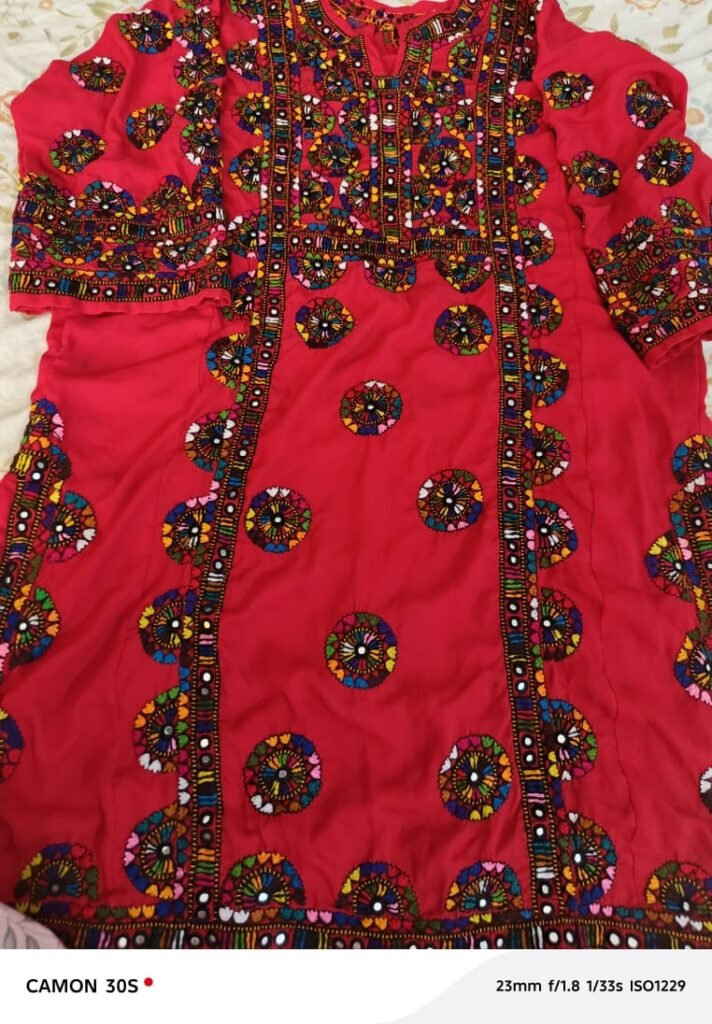
- For Men: A Balochi dress boy or adult version is a straight-cut kurta with loose salwar, in neutral tones like beige or navy for practicality. Subtle embroidery on collars honors tradition without overwhelming the design.
- For Girls: A Balochi dress girl is playful yet modest, with shorter tunics and vibrant colors, perfect for festivals or school.
These designs emphasize sustainability—using local fabrics like cotton and wool—making Balochi attire eco-friendly long before it was trendy.
The Cultural Significance of Balochi Dress
Beyond aesthetics, Balochi dress carries deep cultural significance of Balochi clothing. It’s a badge of identity for the Baloch, who number over 10 million across three countries. During festivals like the Baloch Cultural Day, women in elaborate Balochi culture dress perform folk dances, while men don traditional turbans, preserving oral histories through every fold and stitch.
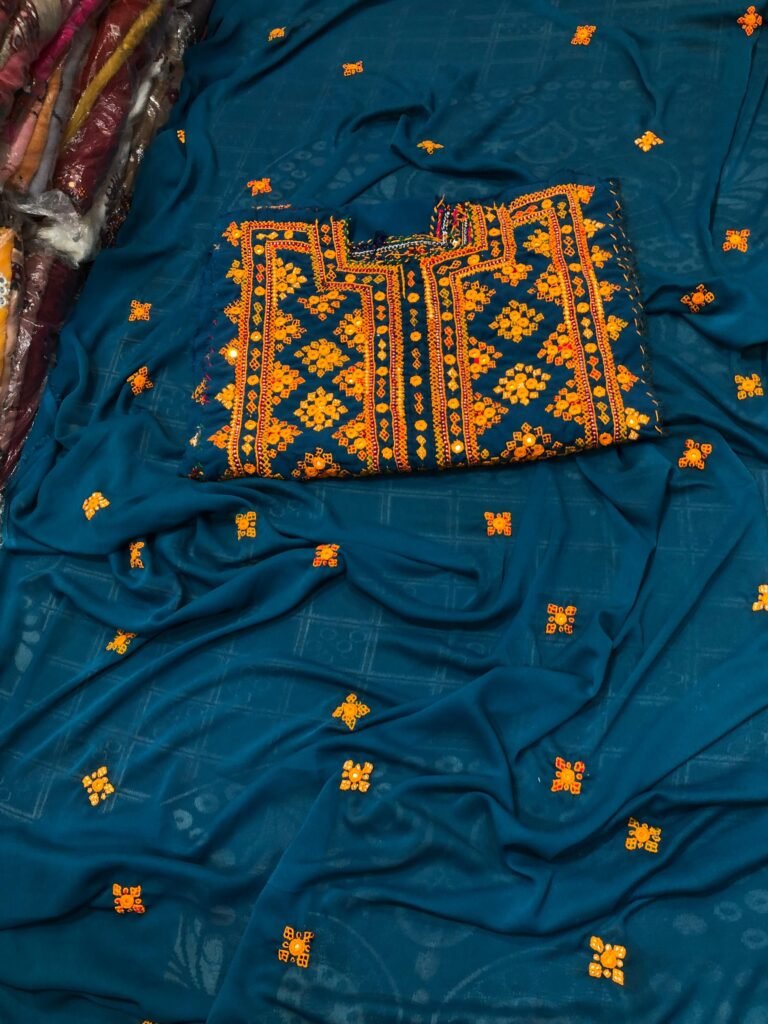
In Balochistan’s patriarchal society, the dress empowers women, allowing expression through embroidery that tells personal stories—marriage, motherhood, or resilience. For boys and girls, it instills pride in heritage, fostering a sense of belonging in a globalized world.
Modern Balochi Dress Design: Tradition Meets Innovation
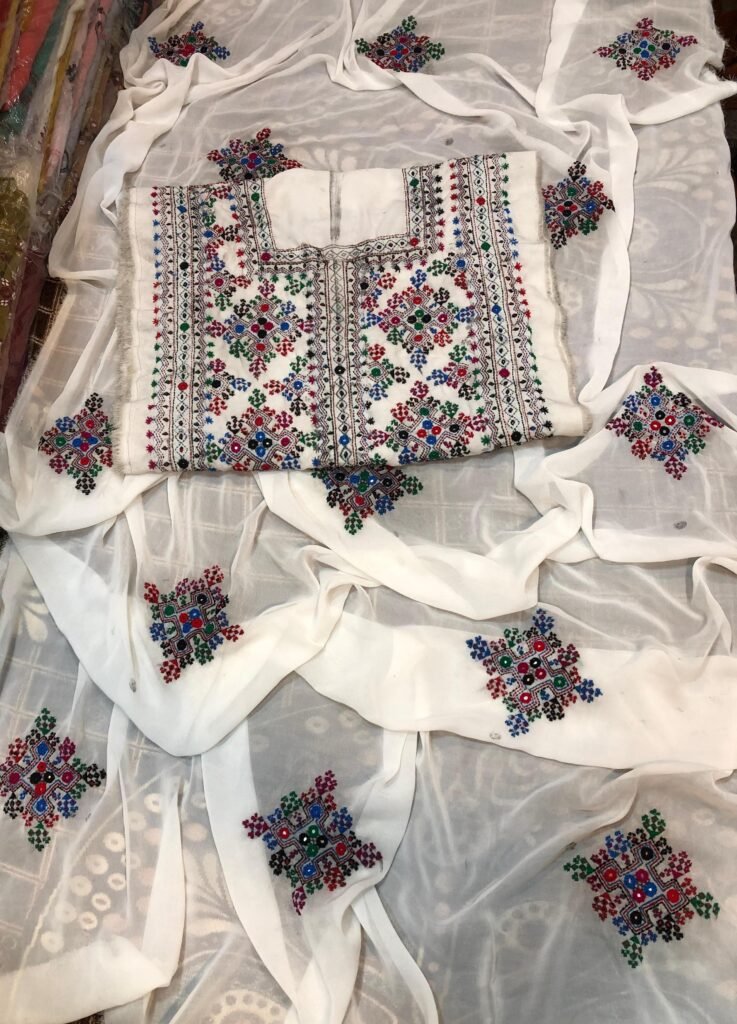
The modern Balochi dress design is evolving, blending heritage with contemporary trends. Designers like those in Quetta are fusing traditional embroidery with fusion styles—think Balochi dress design with slim-fit salwars or crop-top kameez for urban youth. A black Balochi dress female version, with silver accents, has become a staple for evening wear, while a full Balochi dress for baby girl keeps the charm alive for the next generation.
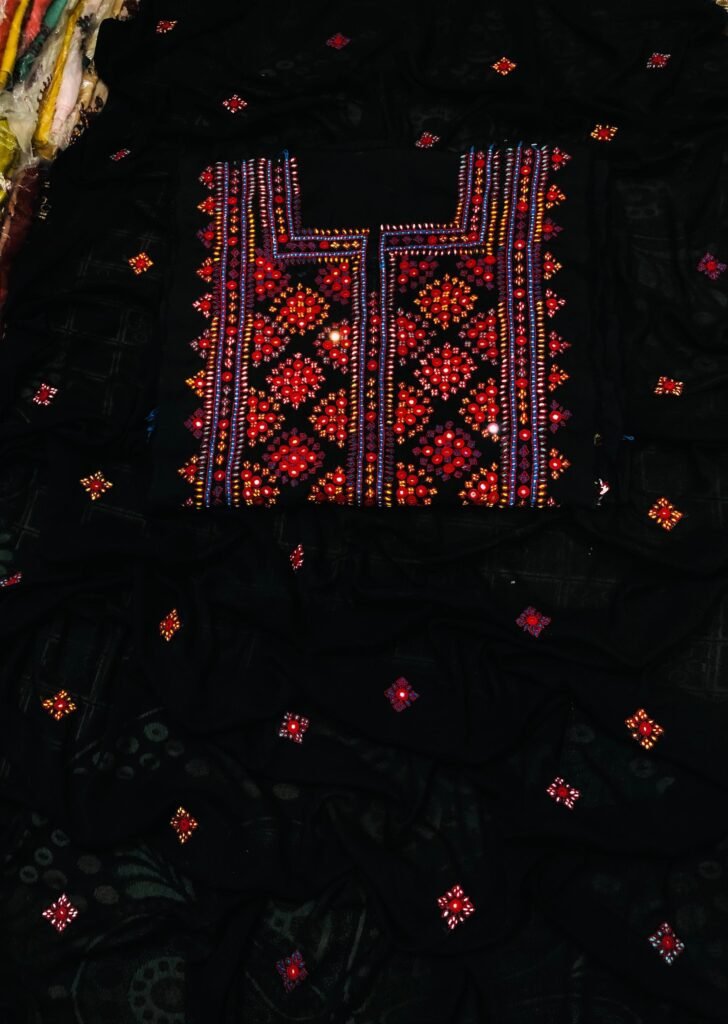
In Pakistan, online platforms have made Balochi dress online shopping a breeze, with prices ranging from PKR 2,000 for a simple Balochi dress to PKR 15,000 for a Balochi bridal dress. This democratization preserves the craft while adapting to modern lifestyles.
Where to Buy Balochi Dress: Prices in Pakistan and Beyond
Looking for a Balochi dress price in Pakistan? Expect affordability and quality:
- Simple Balochi Dress: PKR 1,500-3,000 (cotton with basic embroidery).
- Hand Embroidery Balochi Dress: PKR 4,000-8,000 (mirror work and silk threads).
- Modern Balochi Dress Design: PKR 5,000-10,000 (fusion styles).
- Balochi Bridal Dress: PKR 10,000-25,000 (elaborate beading).
Shop Balochi dress online via platforms like Daraz.pk or Etsy for global shipping. For authenticity, visit Quetta’s markets or Balochistan artisans on Instagram.
Preserving the Legacy: Why Balochi Dress Endures
As globalization blurs borders, the Balochi cultural dress remains a beacon of identity, blending Balochistan traditional attire with fresh expressions. It reminds us that fashion is not just about style—it’s about stories, survival, and celebration. Whether you’re wearing a Balochi women dress for a wedding or a Balochi dress boy for a family gathering, it’s a thread connecting past to present.
If you’re inspired to embrace this heritage, start with a simple Balochi dress and let it tell your story. In a fast-changing world, Balochi fashion invites us to slow down, honor roots, and weave new tales.